
Streamlining Author Submissions with UX Innovation
Who are they?
Springer Nature is one of the world’s leading academic publishers, managing a portfolio of over 2,500 academic journals across a wide range of disciplines. The organisation plays a central role in advancing research by connecting authors, reviewers, and readers in a global knowledge ecosystem. Each year, Springer Nature receives more than one million article submissions from researchers and academics worldwide.
The Challenge
With such a high volume of submissions, the publisher recognised the need to improve and modernise the submission process. Authors were often left to navigate a complex and inconsistent system without clear guidance. Springer Nature wanted to make it easier, faster, and more intuitive for authors to identify the right journal for their work and submit their articles successfully.
Despite their scale and reputation, Springer Nature faced a fundamental challenge in supporting the author journey. There was no standardised process in place to guide authors on:
- Journal Selection: Understanding which of the 2,500+ journals was most suitable for their article.
- Submission Requirements: Navigating different rules, formatting standards, and expectations across journals.
- Submission Success: Ensuring authors could move smoothly from manuscript preparation through to submission without unnecessary delays.
This lack of a unified system created inefficiencies and frustration. Authors spent additional time researching requirements, resubmitting work, or seeking support, which slowed down the overall process. Internally, it created additional strain on teams responsible for reviewing submissions and managing communications.
Springer Nature recognised that, despite receiving over a million submissions annually, the process needed to be redesigned to improve the author experience, increase efficiency, and reduce friction in the journey from draft to publication.
The Solution
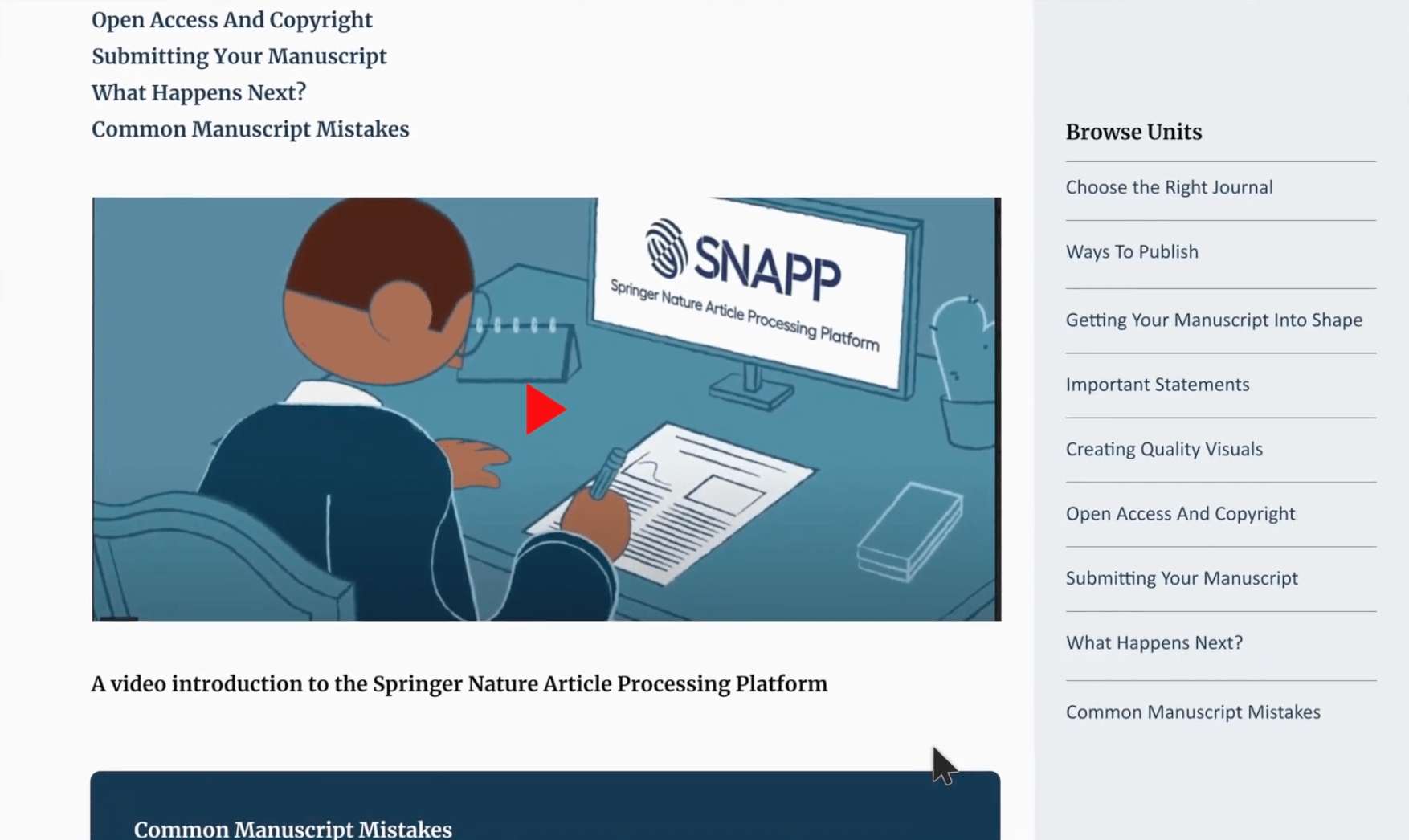
To address these challenges, Springer Nature partnered with Maverick Partners to deliver a rapid innovation initiative focused on user experience. The approach was anchored around a two-week UX sprint, designed to deliver tangible outputs quickly and align both authors and internal stakeholders on the vision.
User Research
The sprint began with in-depth user research. Over 40 author interviews were conducted, covering two distinct author personas. These sessions provided direct insights into the pain points and aspirations of researchers, shaping the design of the new submission experience.
Prototype Development
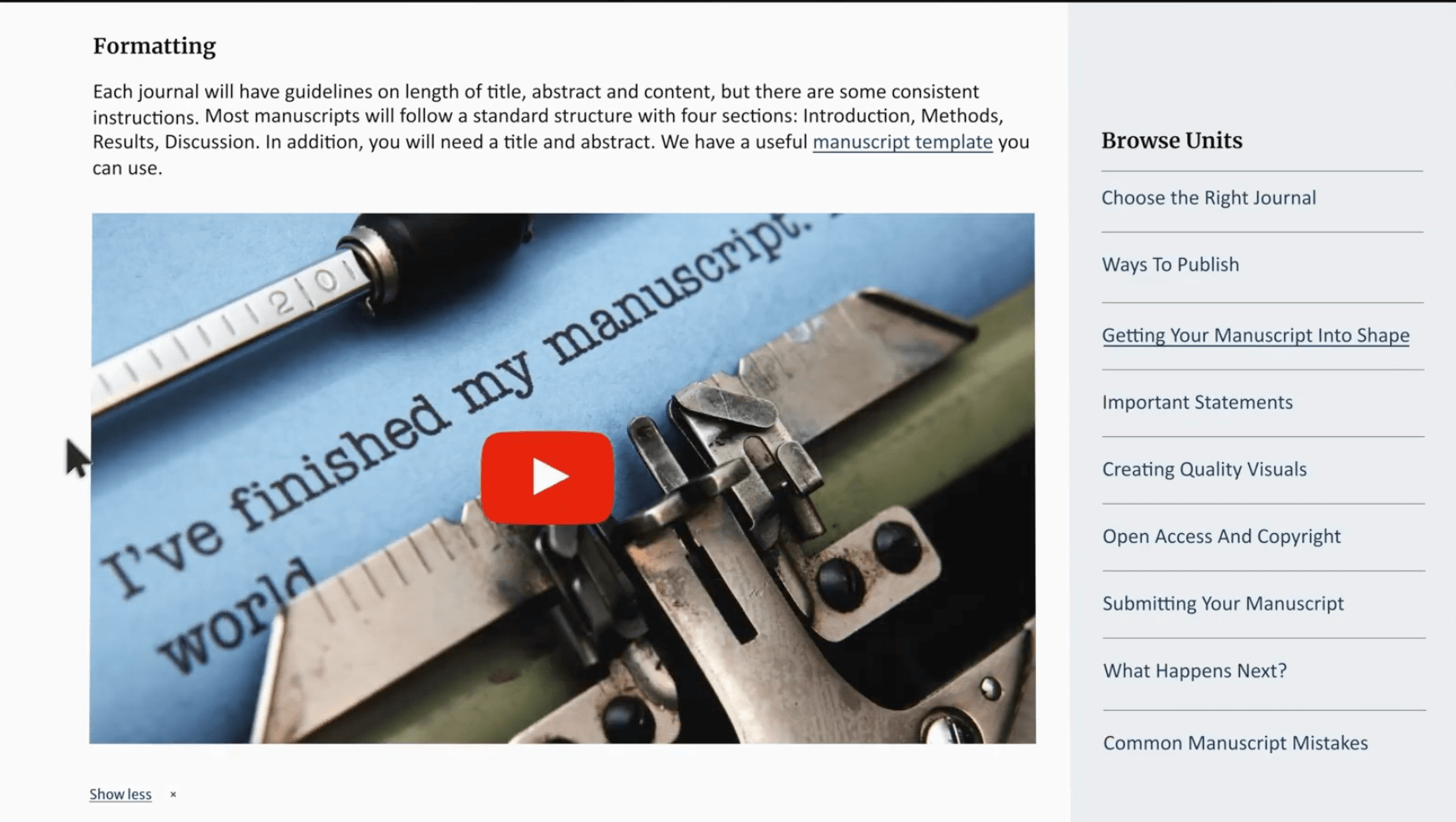
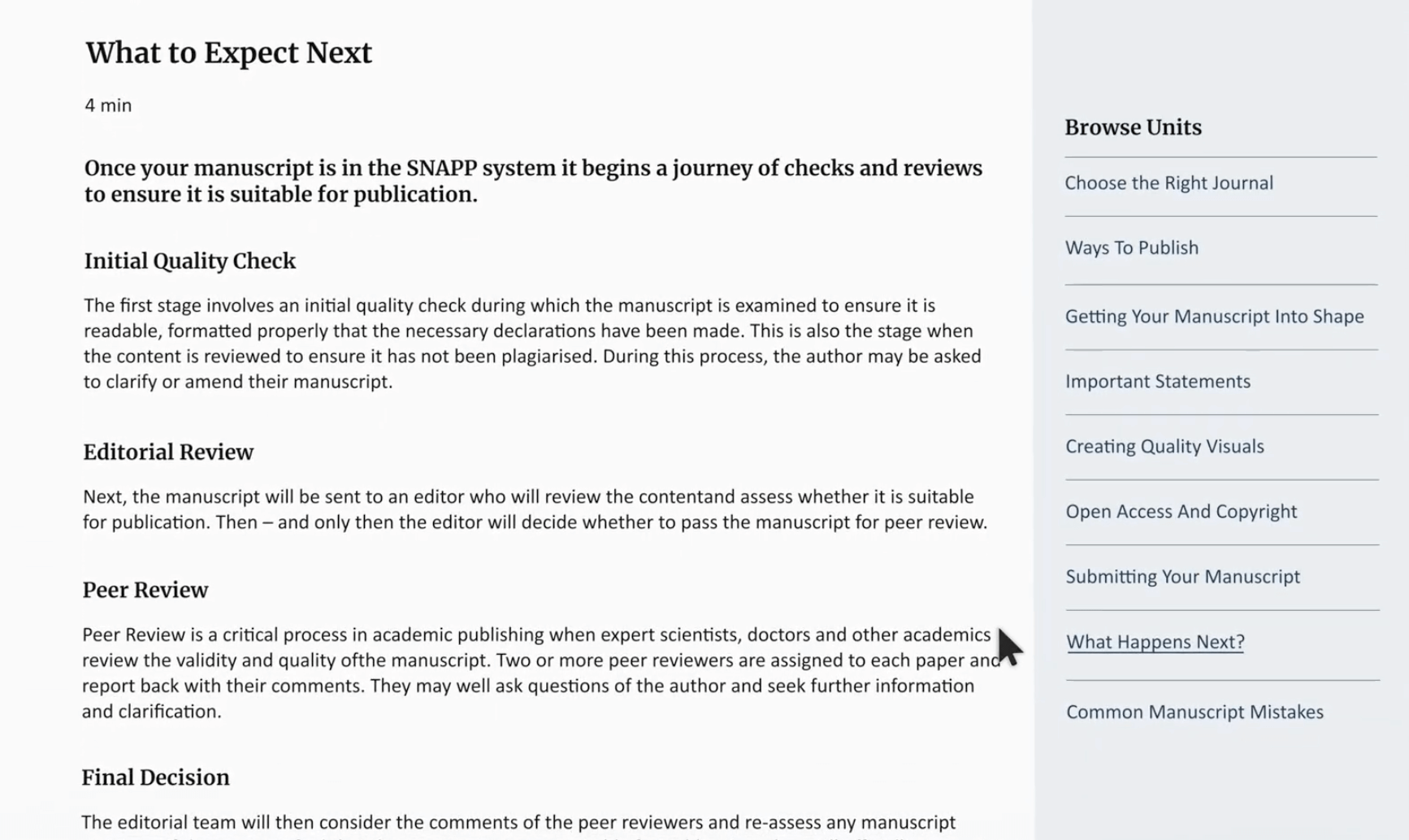
Using these insights, the team developed an interactive, clickable prototype in InVision. This allowed for immediate testing with real users, capturing valuable feedback and giving stakeholders a tangible view of how the new system would work in practice. The prototype acted as a central artefact to bring the vision to life and secure alignment from all parties.
Technology Recommendations
Alongside the design work, Maverick Partners conducted a technical assessment. The recommendation was to build the new solution on Google Cloud Platform (GCP), ensuring that it would be scalable, resilient, and compatible with Springer Nature’s existing technology landscape. This gave confidence that the platform would not only solve today’s challenges but also support long-term innovation.
Roadmap and Delivery Plan
The sprint concluded with a clear roadmap for moving forward. A six-week MVP delivery plan was proposed, outlining the key features for launch and the subsequent feature iterations required. This roadmap balanced immediate author needs with long-term growth, ensuring the solution could evolve over time.
The Results
The two-week UX sprint produced four concrete outputs, giving Springer Nature a strong foundation to move from concept to reality:
- UX Prototype: A fully interactive prototype that was tested with authors, refined based on feedback, and approved by stakeholders for onward development.
- Product Roadmap: A phased development plan, starting with the MVP and extending to future enhancements that would expand functionality and support additional author needs.
- Technology Recommendations: A detailed technology roadmap highlighting how to build the platform on GCP for scalability, performance, and integration with existing systems.
- Business Case: A comprehensive business case setting out the ROI, demonstrating why investment in the solution would benefit Springer Nature, its authors, and the wider research community.
Expected Benefits
- Faster Author Submissions: Authors will be able to navigate requirements quickly and confidently, reducing wasted time and effort.
- Improved Author Experience: By simplifying journal selection and submission steps, the process becomes more intuitive and less frustrating.
- Operational Efficiency: Internal teams will spend less time troubleshooting issues and more time focusing on value-added tasks.
- Scalability: Built on GCP, the solution is ready to handle millions of submissions annually without compromise on performance.
- Long-Term Growth: The roadmap ensures the platform continues to evolve, adding new features and refining the experience over time.
Conclusion
By investing in user research, rapid prototyping, and a clear technical vision, Springer Nature has taken the first step toward transforming the author submission journey. The project demonstrated how a short, focused UX sprint can deliver actionable insights, a validated design, and a concrete roadmap in just two weeks.
Once implemented, the solution will empower authors to submit their work more efficiently, help Springer Nature scale its operations, and strengthen its position as a trusted partner in global research publishing.
