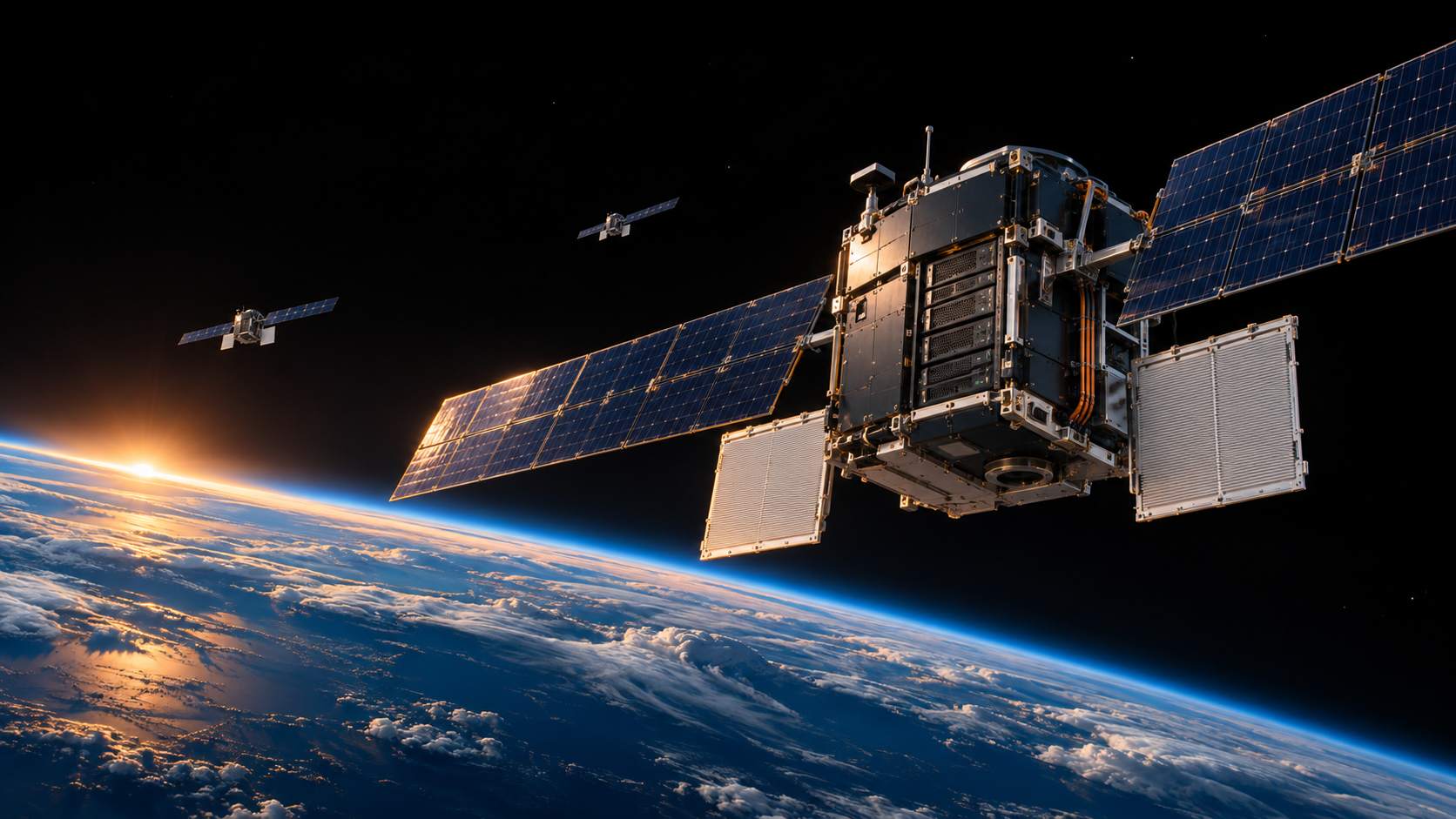
The most interesting thing about SpaceX’s plan to put data centres in orbit is what it says about building them on Earth. AI can scale faster than the infrastructure that powers it. When getting a grid connection becomes one of the hardest parts of building a data centre, putting servers on a rocket starts to look like a question worth asking.
What’s happened?
On 25 November, the US Federal Communications Commission gave SpaceX conditional approval for Starmind, a constellation of up to one million orbital computing satellites. The first operational satellite is due by November 2033 under the licence, with full deployment due by 2040. SpaceX must also submit a final debris mitigation plan before deploying satellites that would operate above 600 km.
Why take computing off the grid?
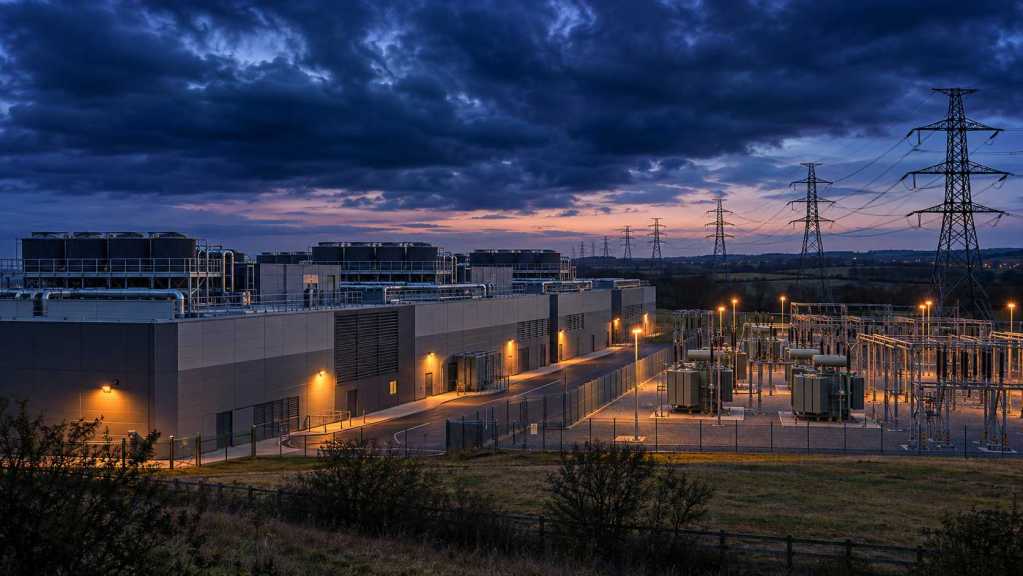
The International Energy Agency projects that global data centre electricity use will nearly double from 485 TWh in 2025 to around 950 TWh in 2030. It expects electricity use by AI-focused data centres to triple over the same period. The pressure is felt locally. A data centre needs a grid connection capable of delivering a large, reliable supply of power at one site, alongside everyone else who needs electricity in that area.
In the right orbit, solar panels can generate power almost continuously. If orbital computing proves commercially viable, it could take some future demand off terrestrial grids. Total energy use is a different question. Chips still draw power, satellites still have to be built, launched and replaced, and cheaper computing could encourage customers to use more of it. The meaningful comparison is the lifetime energy use and emissions of doing the same computing job in orbit and on Earth.
A million satellites tells us surprisingly little about scale
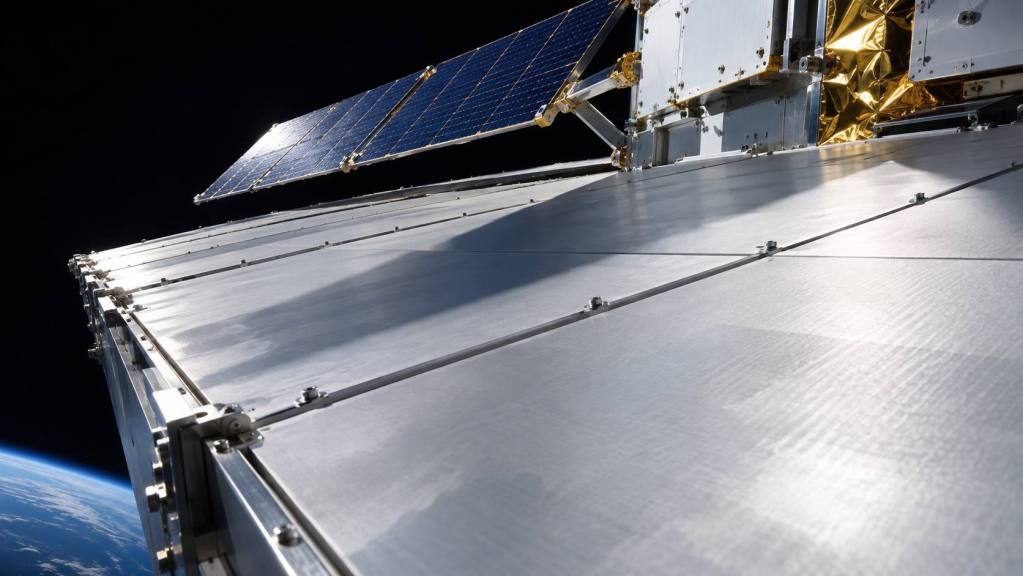
The useful number is how much computing customers can reliably get from the fleet, and at what price. Cooling is part of that calculation. In a vacuum, there’s no air to carry heat away. Satellites have to radiate waste heat, so adding more powerful chips can mean adding radiator area and launch mass. And when a chip fails or becomes obsolete, replacing it is a different proposition from sending an engineer into a server hall.
Networking matters just as much. Training a large model requires chips to exchange large volumes of data quickly. Linking satellites with lasers is one thing. Getting enough of them to work together like a tightly connected cluster is a much harder engineering problem.
The first customers may already have data in orbit
Earth observation is a natural starting point. A satellite can analyse images where it captures them and send back the useful result. The European Space Agency’s Φsat-2 already demonstrates the idea with onboard AI that can identify cloud-covered images and filter them before transmission. The benefit is straightforward. Every unusable image discarded in orbit frees up bandwidth for something worth sending.
That points to a future in which data centres are built around the needs of each workload. Some computing will sit close to customers, some close to abundant power, and some close to where the data is captured. For most businesses, that still points to Earth. Starmind’s first meaningful milestone will be a customer choosing to run a real workload in orbit because it makes economic sense.