Whether browsing your favourite social media app or checking your email, chances are you’ve interacted with Material Design without realising it.
But what exactly is Material Design, and why has it become so influential in the digital design landscape?
In this article, we’ll explore:
- What is Material Design and its key principles
- The usefulness and benefits of Material Design for users and developers
- A brief history of Material Design and its evolution over time
What is Material Design?
Material Design is more than just a set of pretty icons or a colour scheme. It’s a comprehensive design language that draws inspiration from the physical world and its textures, including how objects interact with light and cast shadows.
The concept behind Material Design is to create a visual language that synthesises classic principles of good design with the innovation and possibility of technology and science.
At its core, Material Design is built on three key principles.
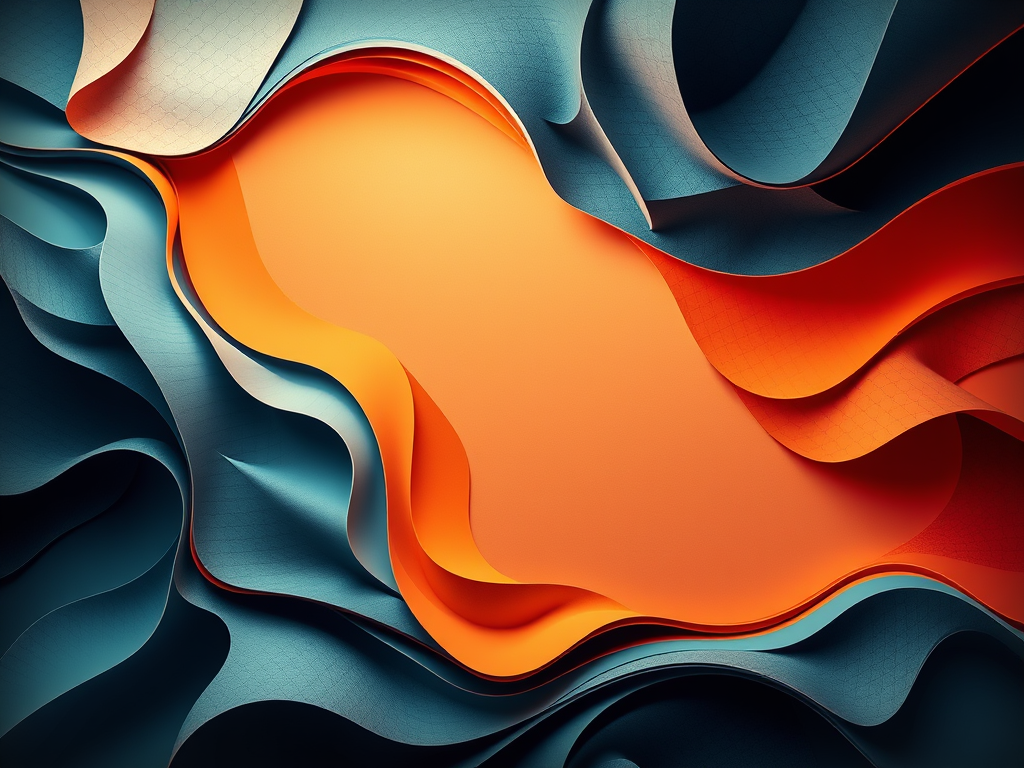
First, it treats the design elements as “material,” mimicking the behaviour of paper and ink. This creates a sense of depth and realism in digital interfaces.
Second, it emphasises bold, graphic, and intentional design choices, incorporating strong colours, imagery, and typography to create visual impact.
Lastly, it uses motion to provide meaning, with purposeful animations and transitions that guide users through their digital experience.
Material Design and Design Thinking
Material Design’s approach aligns closely with design thinking principles, a methodology that prioritises understanding user needs and creating solutions that address those needs effectively.
Design thinking emphasises empathy, ideation, and iteration – all evident in Material Design’s user-centric approach.
By incorporating design thinking principles, Material Design encourages creators to:
- Empathise with users by considering their needs and preferences across various devices and platforms.
- Define problems clearly by establishing consistent design language and interaction patterns.
- Ideate solutions that are both visually appealing and functionally effective.
- Prototype and test designs using Material Design’s comprehensive guidelines and components.
- Implement and iterate based on user feedback and evolving technological capabilities.
Integrating design thinking into Material Design contributes to its effectiveness in creating intuitive, user-friendly interfaces that resonate with users across different digital experiences.
A Brief History of Material Design
Material Design didn’t just appear out of thin air.
It was first introduced by Google at the I/O conference in June 2014, and created as a response to the need for a unified design system that could work across Google’s various products and platforms.
Since its inception, Material Design has evolved significantly to keep pace with changing design trends and user needs.
In 2018, Google introduced Material Design 2.0, which brought more colour usage and typography flexibility. This update allowed designers to create more customised looks while still maintaining the core principles of Material Design.
Then in 2021, Google unveiled “Material You,” focusing on personalisation and allowing users to customise the look and feel of their interfaces.
These updates have kept Material Design relevant and adaptable in the fast-paced world of digital design.
Conclusion
Whether you’re a seasoned designer or just starting in the field, understanding Material Design principles can provide valuable insights into creating effective, user-friendly digital experiences.
So the next time you’re using your favourite app or browsing a website, take a moment to notice the design elements. You might just spot the influence of Material Design, quietly enhancing your digital experience.
For those looking to go deeper into Material Design or implement it in their own projects, the official Material Design documentation offers a wealth of resources and guidelines to explore.